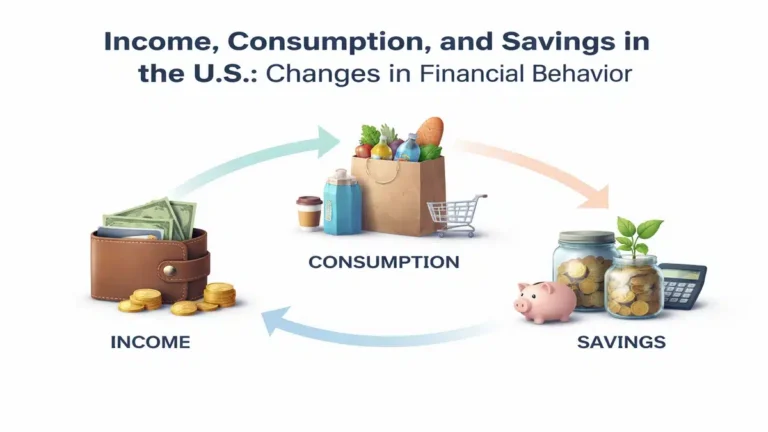
Understanding the intricacies of personal finances has become increasingly crucial in contemporary U.S. society. The dynamic interplay between income, expenditure, and savings paints a vivid picture of how Americans manage their monetary resources over time.
These elements have shown significant shifts, reflecting broader economic trends and influencing individual financial strategies. By exploring these changes, we can gain insights into consumer behavior and the economic forces at play. This comprehensive analysis will explore how financial behavior is evolving in the United States and what this means for present and future economic health.
Income trends in today’s economy
In recent years, income patterns in the U.S. have undergone notable transformations. A more diversified workforce, digital technology, and the gig economy have redefined traditional earnings structures. Although wages have shown some growth, the distribution remains uneven, with significant disparities between various demographic groups and industries. This shift affects individuals’ livelihoods, altering both spending capacity and social mobility.
Within this changing landscape, some workers enjoy increased job flexibility, while others face uncertainties regarding employment security. This duality highlights why monitoring income trends is crucial for policymakers and individuals alike. The turbulence in earnings emphasizes the need for strategic financial planning to accommodate both prosperous periods and unexpected challenges.
Impact of non-traditional work
The influx of non-traditional work arrangements, including freelance and gig jobs, is a potent force in the U.S. labor market. These roles offer flexibility and autonomy but can lack consistent income and benefits, presenting new financial challenges for workers. Traditional employment models often come with predictable wages and benefits such as healthcare and retirement plans, providing a degree of financial security.
This shift also forces a reevaluation of safety nets. Individuals working in non-traditional roles must become adept at managing irregular cash flows, prioritizing savings, and planning for retirement without the scaffolding of employer-sponsored benefit programs. As gig work becomes more prevalent, the need for innovative financial tools and policies to support these workers grows. This development illustrates the complexity of modern financial behavior and its broader implications on personal and economic levels.
Consumption patterns: what has changed
Spending habits in the U.S. have evolved alongside changes in income and work structures. Consumers are now more selective and value-driven, often influenced by technological advancements and the prevalence of e-commerce. The ease of online shopping and the rise of subscription services have transformed how Americans approach purchases, focusing on convenience and personalization.
Additionally, there’s an increasing trend toward experiences rather than goods. People prioritize travel, dining, and recreational activities over physical possessions. This marks a shift toward valuing memorable experiences—ideals reflected in the expenditure patterns of millennials and Gen Z. The pandemic has also reinforced home-based consumption trends, as individuals spent more on home improvement and entertainment during lockdowns.
Digital influence on spending habits
Digital transformation significantly impacts consumer spending behavior. The proliferation of digital payment options simplifies transactions and fuels impulse buying. Social media platforms serve as powerful marketing tools, influencing purchasing decisions by showcasing the latest products and trends. This online-driven marketplace offers convenience but also demands that consumers be more informed and cautious about overspending.
Moreover, the rise of mobile banking and financial apps provides consumers with unprecedented control over their finances. These tools empower individuals to track expenditure, set budgets, and make informed purchasing choices. As technology intertwines with financial management, it creates opportunities for better spending awareness and consumer education. This environment encourages a more thoughtful approach to consumption, aligning purchase decisions with long-term financial goals.
The changing dynamics of savings
The approach Americans take toward saving has evolved in response to shifting economic conditions and lifestyle priorities. Economic uncertainty, rising education costs, and healthcare expenses have made saving a critical concern. While traditionally Americans have been criticized for low save rates, recent trends show a shift toward more prudent financial practices. This newfound focus on accumulation and saving underscores the importance of future security and financial preparedness.
Tools such as high-yield savings accounts and investment platforms have gained popularity, providing accessible means for growing wealth. Younger generations, witnessing economic instability, are particularly inclined to adopt robust saving strategies. Moreover, financial literacy initiatives have played a pivotal role in educating individuals about the benefits of saving early. This growing emphasis on financial preparedness reflects an adaptive society keen on securing its future amid ongoing economic challenges.
Emergency funds and retirement planning
Creating emergency funds and planning for retirement have become priorities across age groups. The unpredictability of job markets and potential for unforeseen expenses push more individuals to establish robust financial safety nets. An emergency fund, ideally covering three to six months of expenses, offers a critical financial cushion, mitigating stress during unexpected events like job loss or medical emergencies.
Retirement planning is also gaining attention with accessible retirement accounts like IRAs and 401(k)s becoming essential components of one’s financial strategy. The shift towards early and consistent retirement savings highlights a growing awareness of longevity and the cost of living in later years. These strategies underscore a proactive approach to financial health, ensuring preparedness for life’s uncertainties.
Conclusion: the future of financial behavior
Changes in how Americans earn, spend, and save reflect broader economic and social transformations. Income diversity, evolving consumer preferences, and a stronger focus on savings collectively portray a nation adapting to its financial environment. As technological advancements reshape the way we interact with money, staying updated and flexible becomes critical for financial success. This adaptability not only reflects individual preparedness but also signifies the nation’s overall economic health.
As the financial landscape continues to evolve, prioritizing education in financial literacy and implementing supportive policies can help bridge gaps and promote equitable access to financial growth. The future of financial behavior in the U.S. hinges on a collective effort to foster informed decision-making and adaptive strategies. By focusing on these evolving trends, individuals and policymakers alike can cultivate a more resilient economic future.