Tip: you can open search by tapping the magnifying glass icon at the top.
Unlock Simplicity with the Chime
No hidden fees for peace of mind
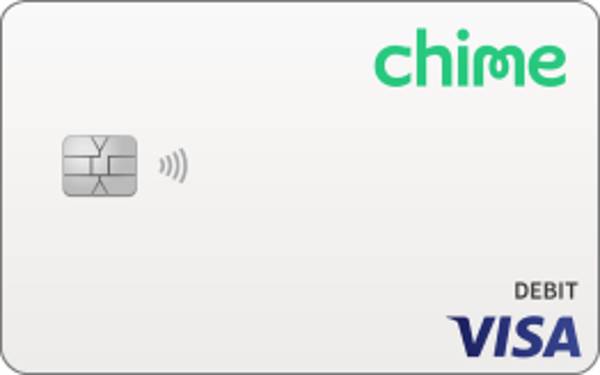
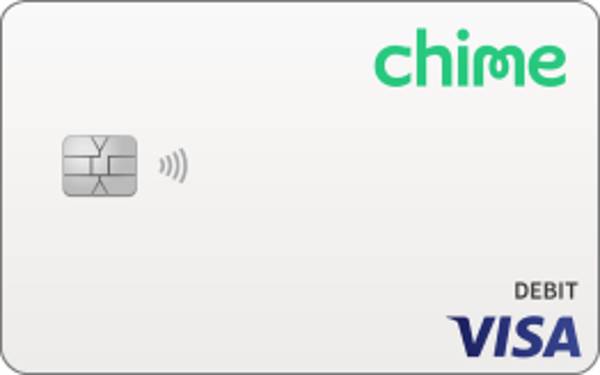
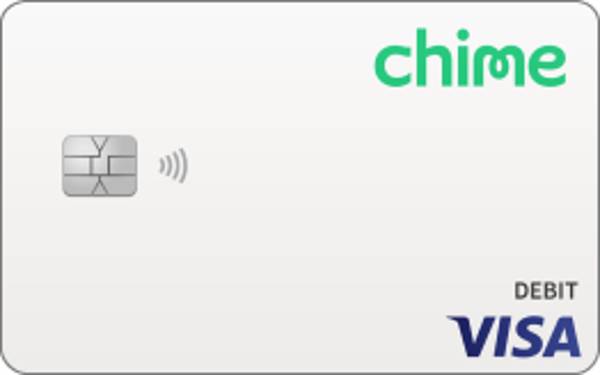
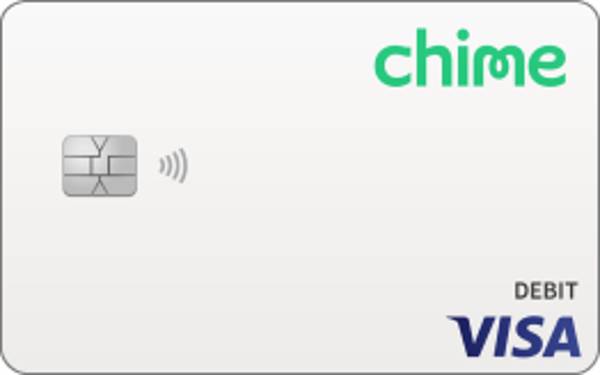
The Chime Visa Debit Card eliminates hidden costs like monthly service charges, overdraft fees, and minimum balance requirements, giving you confidence and clarity in how you spend.
Access to over 60,000 fee-free ATMs
With a vast network of more than 60,000 fee-free ATMs nationwide, the Chime Visa Debit Card makes cash withdrawals simple and convenient without extra charges.
Early direct deposit up to 2 days faster
The card allows you to receive your paycheck up to two days early once your employer submits payroll, helping you stay ahead of bills and unexpected expenses.
Built-in savings features to grow your money
Chime makes saving effortless with tools like automatic transfers and round-up features, helping you grow your money with every purchase.
Discover the Benefits of the Chime Visa Debit Card
The Chime Visa Debit Card is not your average debit card—it’s a tool that helps you manage your money smarter. One of its biggest draws is the absence of hidden fees. You won’t encounter monthly service charges, minimum balance requirements, or overdraft fees that traditional banks often slip in. This gives you confidence and clarity in how you spend. Another standout feature is the massive ATM network. With access to more than 60,000 fee-free ATMs nationwide, you can withdraw cash conveniently without worrying about extra costs. Pair that with early direct deposit, and you’re looking at funds hitting your account up to two days before payday. This benefit alone can help you stay ahead on bills or give you a cushion for unexpected expenses. Finally, the card integrates seamlessly with Chime’s savings tools. You can set up automatic transfers or round-up purchases to boost your savings effortlessly. All these features make the Chime Visa Debit Card a powerful everyday companion for anyone looking to simplify finances and grow healthy money habits.
Does the Chime Visa Debit Card have monthly fees?
No, the card has no monthly fees, overdraft fees, or minimum balance requirements.
Can I use the Chime Visa Debit Card at any ATM?
Yes, you can use it anywhere, but you’ll get fee-free withdrawals at over 60,000 ATMs nationwide.
How does early direct deposit work?
Chime makes your paycheck available up to two days early once your employer submits payroll information.
Is a credit check required to apply?
No, Chime does not require a credit check to open an account or issue the Visa Debit Card.
Can I use the card internationally?
Yes, the Chime Visa Debit Card works worldwide anywhere Visa is accepted.
How to Apply for the Chime Visa Debit Card
Getting your hands on the Chime Visa Debit Card is simple and stress-free. Start by visiting Chime’s official website or downloading the Chime mobile app. From there, you’ll be asked to provide basic personal information, such as your name, email, and Social Security number, to open a Chime Checking Account. Since the debit card is linked directly to this account, approval usually happens quickly and doesn’t require a traditional credit check. Once approved, Chime mails the Visa Debit Card to your address at no cost. While waiting for the physical card, you can immediately access your account details through the app, including a virtual debit card for online purchases. This means you don’t need to wait to start using your funds. The application process is designed to be fast and transparent, reflecting Chime’s mission to simplify banking. In just a few steps, you’ll have a modern debit card that offers fee-free spending, faster access to paychecks, and smarter savings options—all without the usual banking headaches.