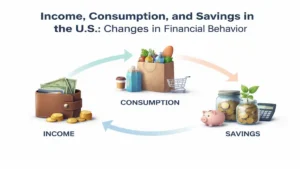

Open Finance is reshaping how Americans interact with credit, lending, and personal finance. By allowing consumers to securely share financial data across platforms, this model creates a more transparent and personalized system. Instead of relying solely on traditional credit scores, lenders can now access a broader picture of a person’s financial behavior, including income, savings, and even recurring expenses.
The purpose of this article is to explain how Open Finance is transforming the credit landscape in the United States. We will explore its impact on access to credit, the opportunities it brings for consumers and institutions, and the challenges that accompany this evolution.
Expanding access to credit

Traditionally, the U.S. credit system has depended heavily on FICO scores, which consider factors like debt repayment history and credit utilization. While useful, this model often excluded people with limited borrowing history. Open Finance expands access by integrating data from multiple financial sources, including bank accounts, utility payments, and digital wallets.
For example, renters who pay on time every month can now benefit from those records being included in their credit profile. Similarly, freelancers and gig economy workers, who often face challenges due to irregular income, can show their earnings through connected platforms.
Opportunities for financial inclusion
Open Finance is particularly valuable for groups traditionally excluded from credit markets, such as immigrants and younger consumers. By leveraging alternative data, institutions can extend opportunities to individuals who lack a conventional credit footprint. This means that establishing trust with lenders no longer depends exclusively on credit card usage or long-term borrowing history.
These developments also align with broader goals of financial inclusion. With Open Finance, lenders can design products that are more tailored to consumer needs, reducing barriers for those historically underserved. For borrowers, this means greater transparency, more options, and improved chances of building a solid financial future.
Transforming financial products
With access to richer data, lenders and fintech companies are creating more personalized credit products. Instead of generic offerings, institutions can analyze individual financial behaviors and design solutions that fit specific profiles. This includes flexible repayment terms, microloans, or interest rates adjusted to real-time financial conditions.
Credit cards, for instance, may now offer dynamic interest rates based on a borrower’s cash flow instead of static terms. Loan approvals can be processed faster through automated Open Finance systems that analyze multiple data points instantly. These innovations not only make financial services more efficient but also reduce risks for lenders by providing deeper insights into customer behavior.
Challenges and concerns
Despite its advantages, Open Finance also raises important challenges. Data privacy remains a top concern, as consumers must trust institutions to handle sensitive financial information responsibly. Regulations are being developed to ensure transparency and safeguard users against misuse of data.
There are also concerns about potential overreliance on automated decision-making. While algorithms can improve efficiency, they must be carefully monitored to prevent bias or errors. Financial institutions will need to balance innovation with responsibility, ensuring that Open Finance enhances fairness rather than creating new obstacles.
A new era for U.S. credit
The rise of Open Finance marks a pivotal transformation in the American credit system. By expanding access, promoting inclusion, and enabling personalized products, it is redefining how creditworthiness is evaluated. For consumers, this means greater opportunities and more equitable financial options. For institutions, it opens doors to innovation and efficiency.
As the system evolves, Open Finance is likely to become the foundation of future credit markets. The shift from rigid scoring models to dynamic, data-driven assessments promises a more inclusive and adaptable financial landscape. For millions of Americans, this transformation could mean not only easier access to credit but also stronger pathways to financial security and independence.